Not yet, not anymore: three fragrances between distance, balance, and transformation.
In the way fragrances are often narrated today, the approach tends to move between technical description and evocative storytelling. In this case, the starting point is different: a personal and interpretative gaze, guided by sensations and associations that engage with the sensitivity of Asian culture, ways of observing, inhabiting space, and attributing value to what is not immediately visible.
Three perfumes, three distinct perceptual states. They do not tell linear stories or defined places, but suspended moments: what is glimpsed, what lingers, what transforms in transition.

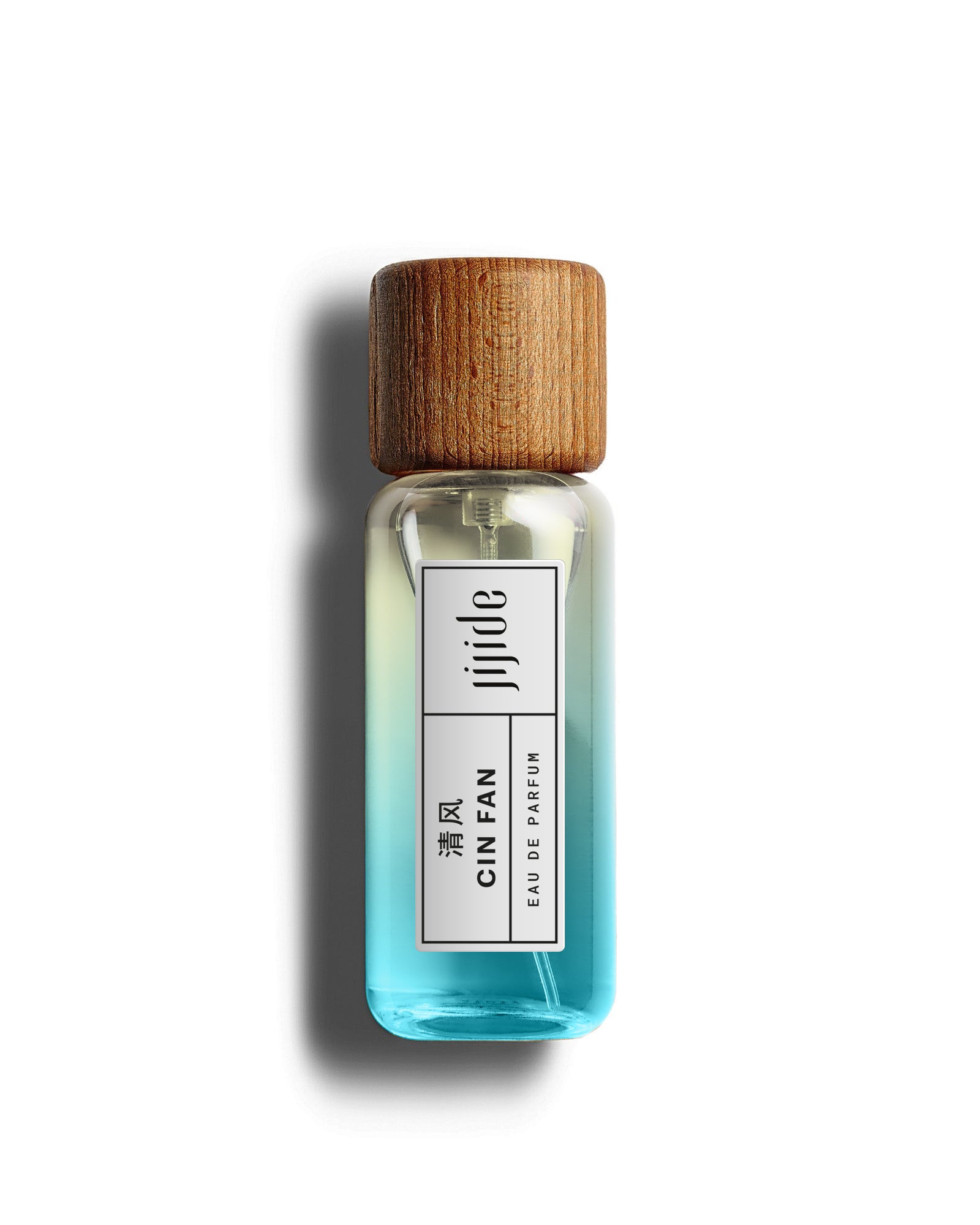
Cin Fan
There is no precise moment when things begin or end. Everything seems already present, in a form that does not need definition.
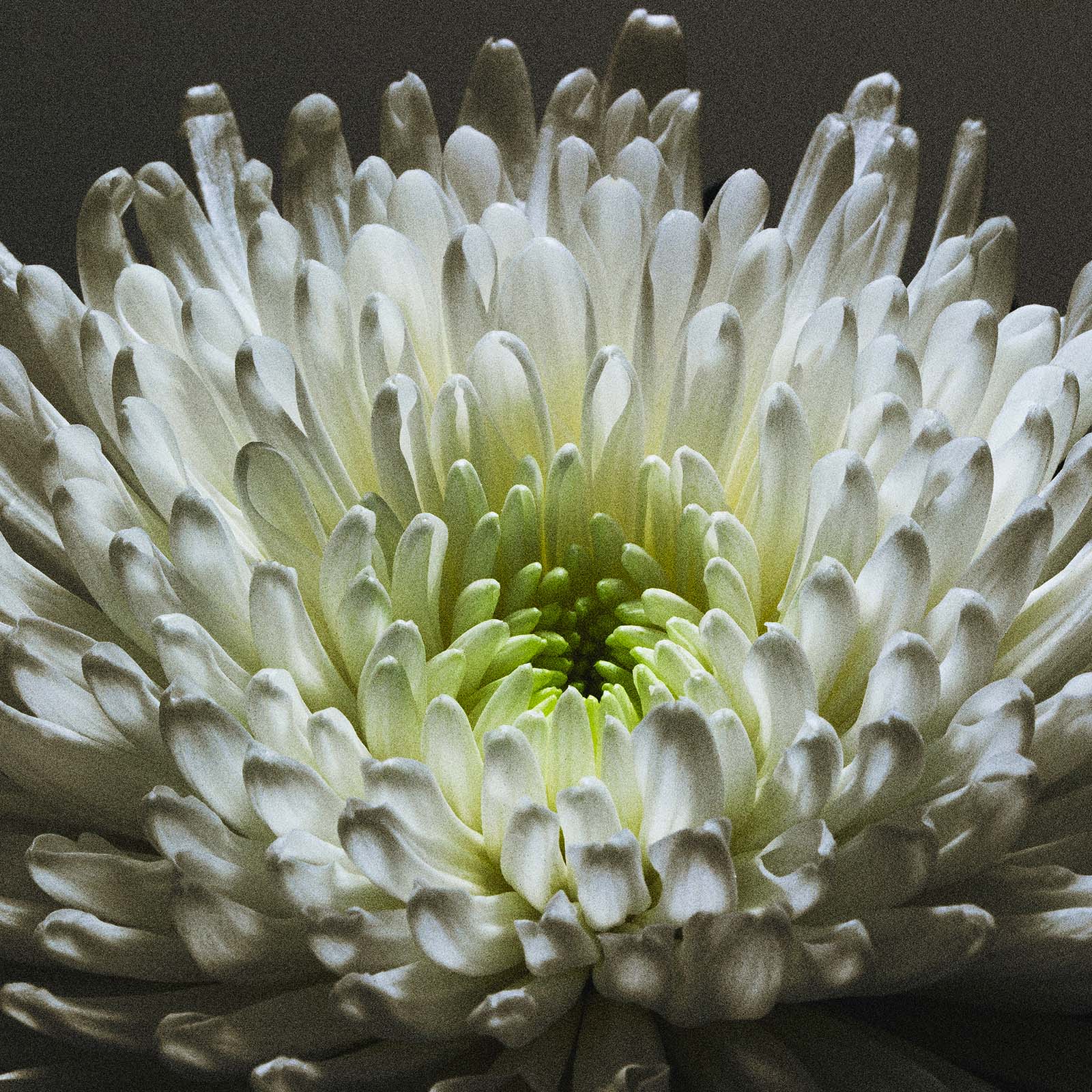
A regular surface that, up close, reveals small deviations. Nothing truly breaks, yet nothing remains identical to itself. It is within these minimal variations that form continues to exist without ever becoming rigid.
It is the same balance found in wabi-sabi: imperfection not as flaw, but as the natural movement of things.
Cin Fan is perceived this way. It does not impose itself; it is already in the air, like a diffused presence.
The opening is luminous yet restrained: a citrus freshness crossed by neroli that never truly warms. A cool, subtle light, like a sun not yet strong enough to change the season.
Then the flowers emerge, remaining light, never full. Transparent, slightly distant, suspended within the same air that holds them. They do not construct a center; they move through nuances, always maintaining distance.
Here the fragrance finds its balance: in a form that never becomes definitive. A continuous presence, never fully resolved. This is Cin Fan: nature ordered within an inherently unstable equilibrium.
There is no arrival point, only something that continues to transform slowly without ever ceasing to be present.

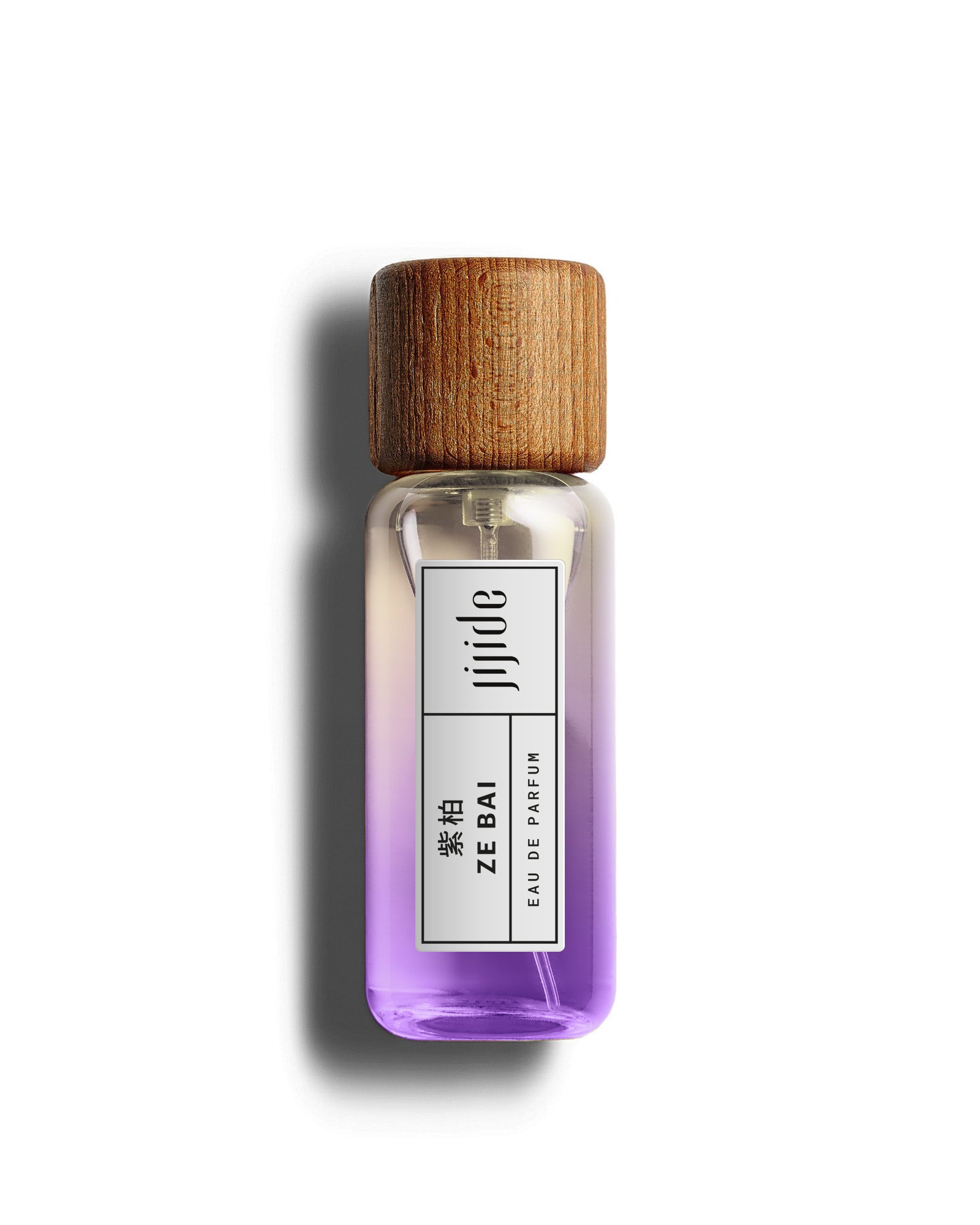
Oltre
Oltre. It is not what you see that holds the gaze, but what remains between one thing and another.
A minimal, almost invisible space where contact seems possible yet never truly occurs.
It is there that the gaze lingers. In that interval that holds the image together: a nearly imperceptible space where meaning does not lie in the elements themselves, but in the distance separating them.
An active emptiness, close to yohaku: not absence, but space that allows what surrounds it to be perceived.
Oltre moves within this interval. It is the scent of what remains.
The first notes are sharp, almost metallic, like the sound of keys between your fingers — something still belonging to what you are leaving behind. Then a more intimate softness emerges: violet, lavender, a memory of cosmetics that does not break the distance but makes it inhabitable.
The notes never fully merge. They remain close, suspended between adhesion and separation.
It is neither a new beginning nor a return. It is staying long enough in that space to realize that change happens there.

Huan Yi
There is something on the other side. What it is remains unclear, and perhaps it does not need to be understood immediately.
The surface before me is not entirely transparent: it is made of small bubbles, a fragile texture that both holds and lets pass through. Like a form of komorebi, yet artificial; not light through leaves, but a vision filtered through a thin skin. Images fracture and recombine, never still long enough to become certain.
When Huan Yi opens, it never arrives linearly. Green fig introduces an unripe, almost nervous freshness, immediately crossed by a darker, humid rose losing its contours. Finally, sandalwood and maté remain close to the body, like a presence that never fully reveals itself.
Everything seems to arrive out of time, too early or too late for full comprehension. Perception fragments between fullness and emptiness, and precisely there it intensifies: I do not see clearly, but I feel more.
Distance does not diminish; it simply changes form. It is the way certain things refuse to become definitive, remaining always a moment before being understood, like desire before deciding whether to become real.
The Author