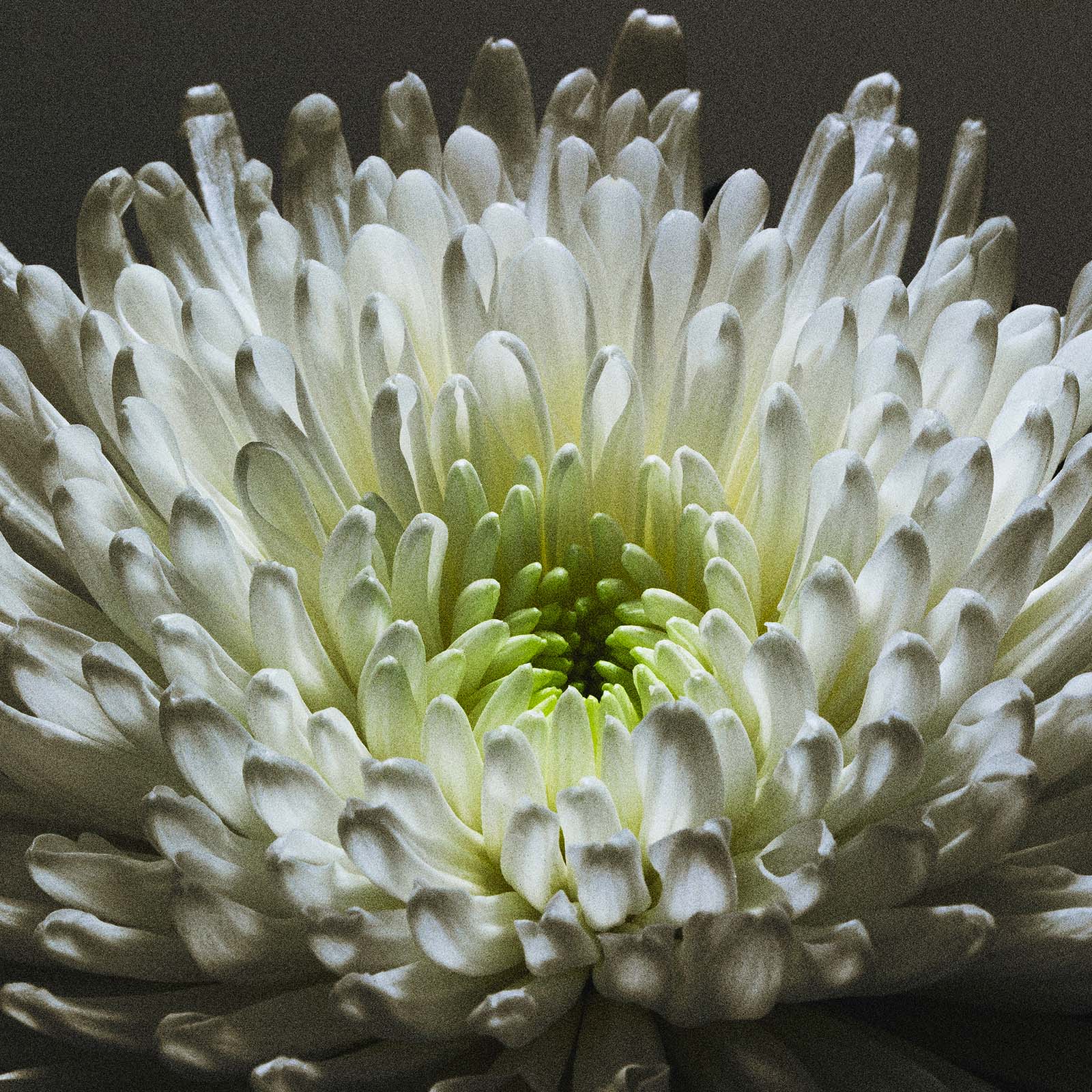



Wu Xing: the Five Elements and Fragrance
How do you speak about a fragrance? Words rarely feel sufficient. A scent moves somewhere deeper, sometimes hitting with a rawness that almost brings you to tears. It speaks to something instinctive, beyond reason. You don’t explain it. You feel it. You wear it, live with it, play with it. You begin to connect it to other things. Images, habits, archetypes. Not out of virtuosity, but out of curiosity, of pleasure.
A kind of private language between the worlds we inhabit. We move across cultures, across elements. There is much talk of Chinese astrology, grounded more in practice than in the stars. An ancient system that, much like Western lunar cycles, follows the rhythms of cultivation, in tune with time and the changing seasons.
The Wu Xing, the cycle of the five elements, is built around fire, earth, metal, water, and wood. More than symbols, they describe transitions, states that first take shape within us and then manifest outwardly. Their interaction creates movement, nuance, variation. While the animal signs are more widely known, it is the five elements that form the true core, connecting everything. A thread that also runs through Western traditions, where these same elements have appeared, in different forms, since ancient times

Terra naturally draws us to its element. Earth as origin, as center, as the place where everything begins. It is where seeds find space to grow, to become something else, and eventually bloom. The darkness of vetiver suggests depth, while oud intensifies it, dense and precious, like the richest layer of soil, humid and essential to life. There is something ancestral in it. The lift of aldehydes brings air and verticality, like a seed pushing through the ground, supported by the rising strength of leather. It unsettles, reaches inward, and enters into dialogue with Fuoco, which in Chinese thought represents the force that warms and activates it.

The two elements are inseparable, following one another, just as the two fragrances do. Fuoco speaks to the heart, the organ it is linked to in Chinese medicine, moving between expansion and contraction. It holds a tension between the sharp, almost biting scent of smoke, reminiscent of time spent around a fire, and the soft, enveloping warmth of vanilla, held within cedarwood and musk.

Oltre opens with a metallic accord that naturally leads to its association with metal, an element more clearly defined in Eastern traditions than in Western ones. Metal suggests transition. It carries the tones of dusk, and aligns with the nostalgic quality of a fragrance that speaks of departure, of the moment just before leaving. Powdery violet softens the composition, contrasting with the sharper edge of lavender, which here feels almost electric, metallic. An emotional contrast between the excitement of what lies ahead and the quiet melancholy of what is left behind. A suspended moment, between what was and what is not yet.

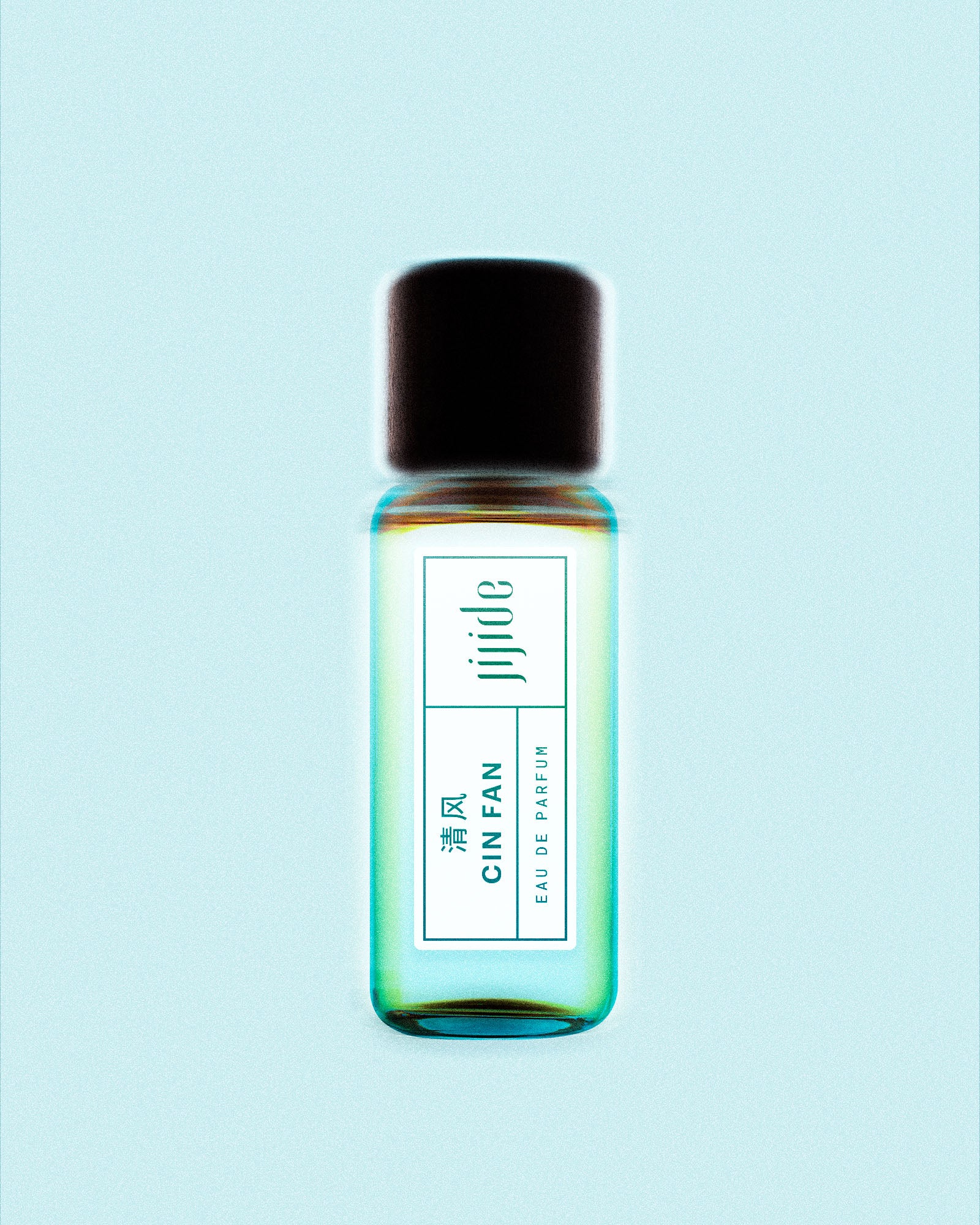
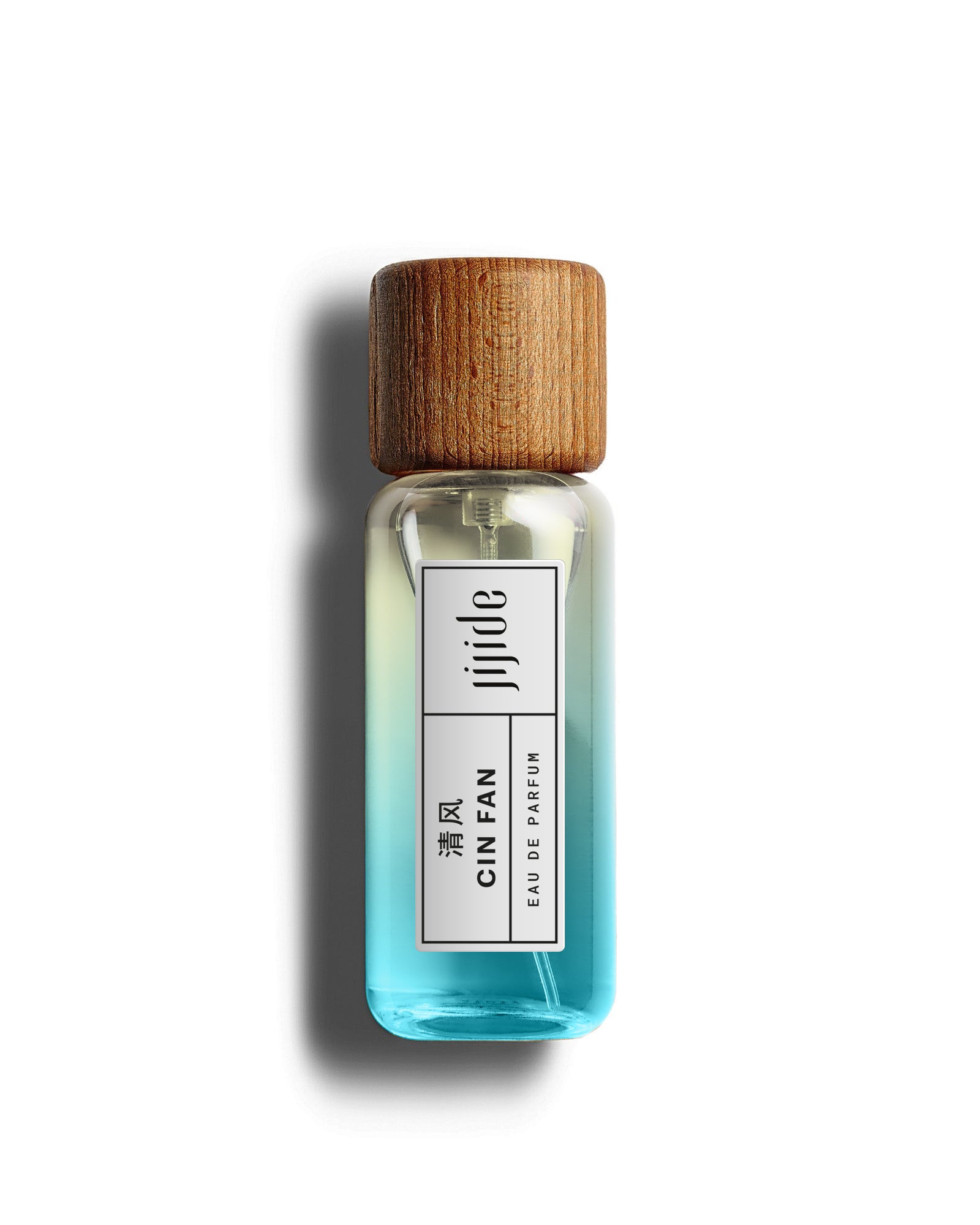
Cin Fan moves in a different direction, closer to water. Its character is meditative, almost whispered. It recalls the soft movement of a stream, unfolding slowly over time, adapting to the skin of the wearer. It reveals itself in layers, changing shape and impression as it settles. Like water, it takes the form of what contains it, holding something hidden beneath the surface. A quiet core where citrus notes emerge, protected by the softness of white flowers. Its nature is introspective, almost mystical, requiring patience and attention, much like the yin principle, often associated with water.

Jin U, by contrast, asserts itself. Its energy feels closer to wood. It carries vitality, strength, resilience. The composition reflects this, with a heart of myrtle and cypress that evokes a Mediterranean landscape. Like wood, seemingly solid on the outside yet capable of splitting within, Jin U reveals a gentler core beneath its surface. It is often appreciated more by those around the wearer than by the wearer themselves, as if its energy is directed outward. It is less concerned with appearance, more with presence.
From here, the connections could continue endlessly. Threads emerging, dissolving, reappearing. Between elements, between cultures, between inner and outer worlds. Fragrance belongs to all of them, and at the same time, moves beyond them.
Camilla Botturi
Read more
The scent of what we love is a form of involuntary repetition.It settles into memory and returns whenever we remember, imagine, relive. The scent of what we love appears suddenly, without warning o...

The Personalità Collection expresses itself through different colours, each representing a true vibration of the soul. Like finding yourself within an intensely green landscape you would never...