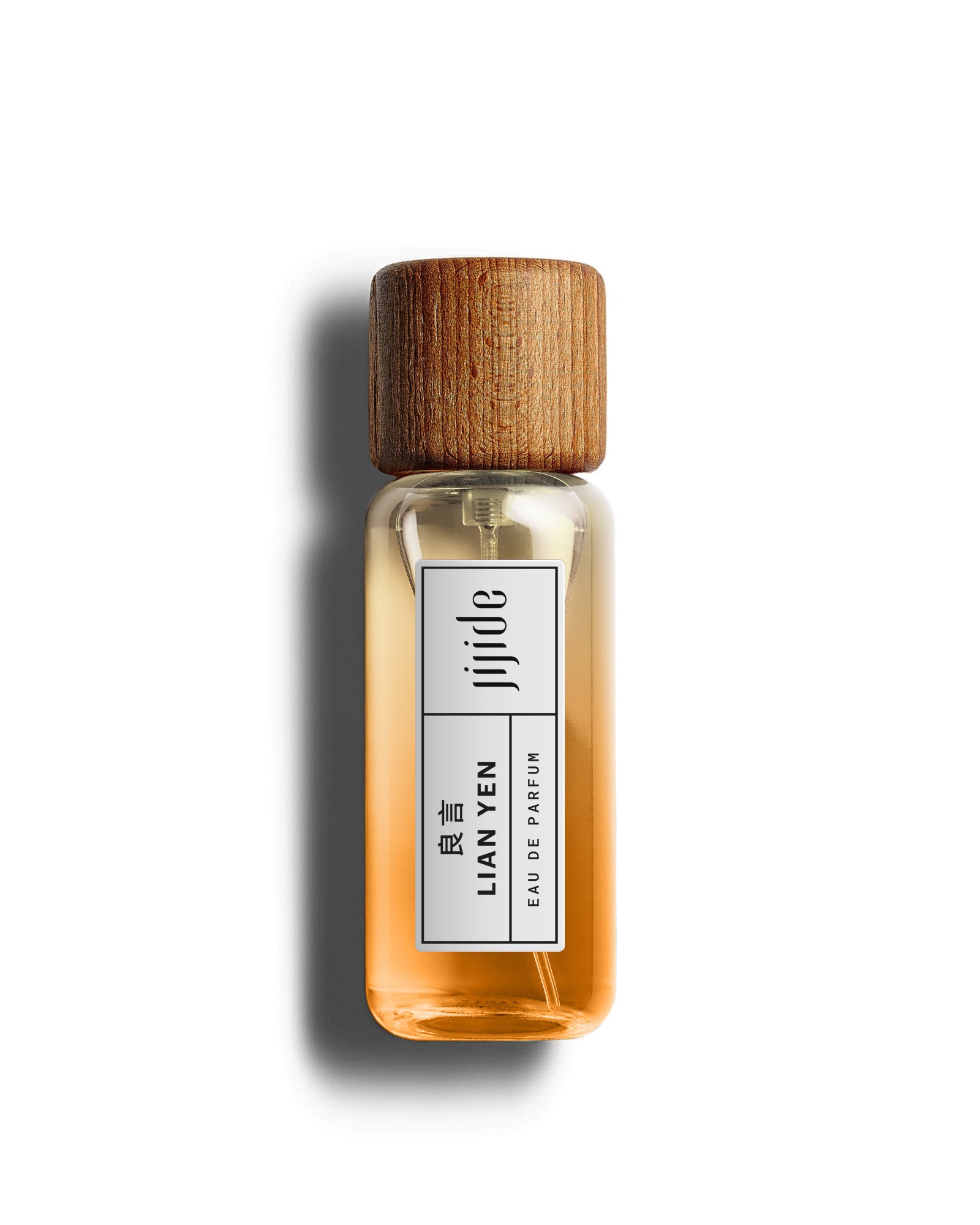


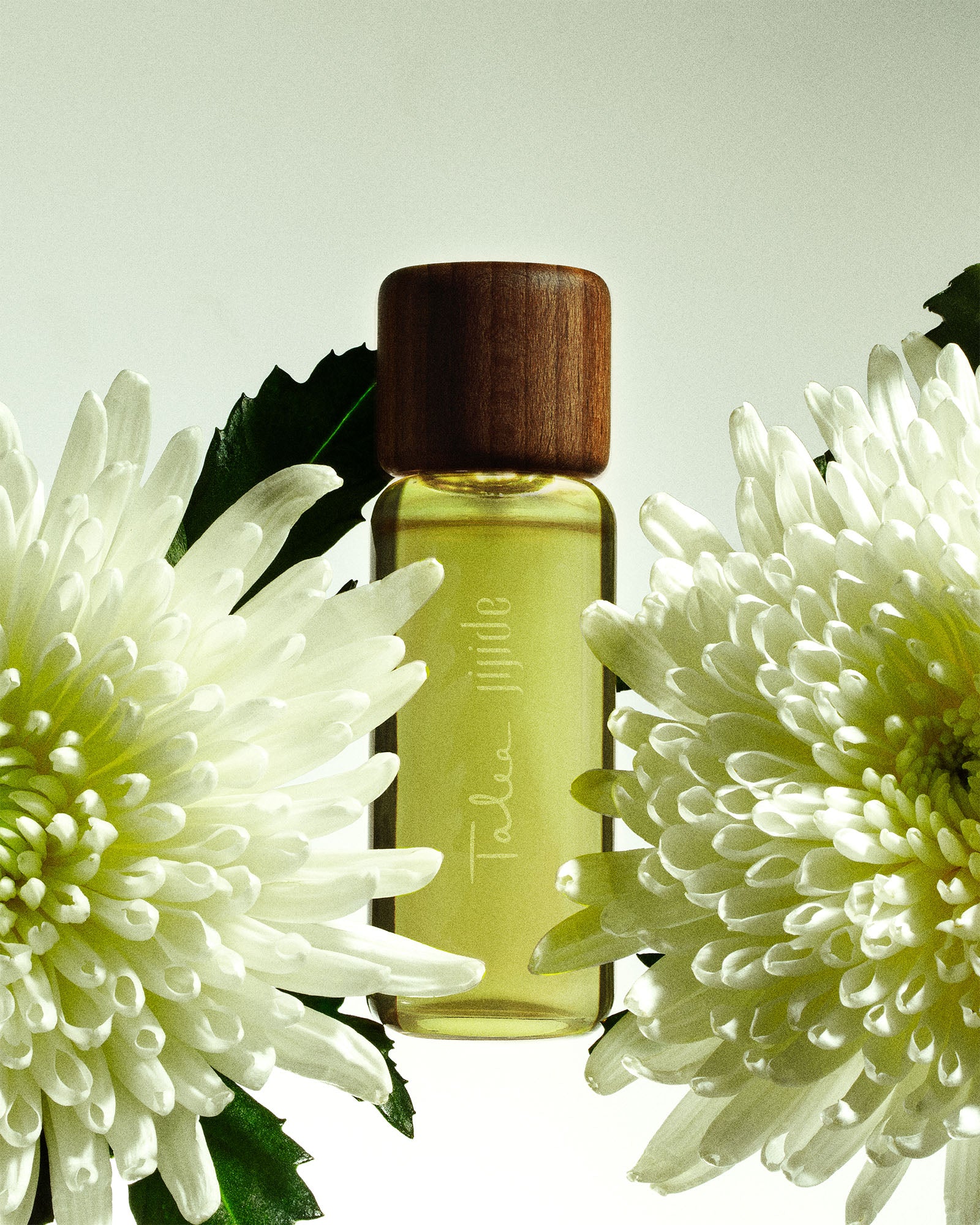

Talea
Extrait de Parfum
An ode to white chrysanthemum in all its facets and its layered cultural meanings, between perception, prejudice and continuous transformation.
Talea tells the story of the chrysanthemum through white chrysanthemum absolute, in a fragrance that evolves over time, revealing its many nuances. The opening is sparked by saffron, while green and lightly camphorated accents of geranium and green Sichuan pepper evoke its more vegetal character and the green reflection of the absolute. In the heart, a floral accord recalls its purity, paying tribute to the white bloom, softened by delicate floral-sweet nuances of osmanthus and a white bouquet. The base reveals its depth, where labdanum, ambergris and benzoin offer a warm, enveloping amber embrace.
Olfactory family Floral amber
Raw material White Chrysanthemum Absolute (China)
Mood Complex, introspective, mysterious, elegant
Presence Captivating, enveloping, deep
Head Kumquat, Yuzu, Saffron, Green Sichuan Pepper, Geranium
Heart White Chrysanthemum, Osmanthus, Honeysuckle, Magnolia, Lily of the Valley
Dry-down Labdanum, Ambergris, Benzoin, Vetiver
Alcohol denat., Parfum [Fragrance], Aqua [Water], Tetramethyl acetyloctahydronaphthalenes, Pelargonium graveolens oil, Hydroxycitronellal, Pinene, Coumarin, Terpineol, Vanillin, Limonene, Hexamethylindanopyran, Santalum album oil, Alpha-isomethyl ionone, Hexyl cinnamal, Camphor, Linalool, Benzaldehyde, Rose ketones, Rose flower oil/extract, Linalyl acetate, Jasmine oil/extract, Benzyl benzoate, Beta-caryophyllene, Cananga odorata oil/extract, Cinnamomum zeylanicum bark oil, Santalol, Benzyl cinnamate, Terpinolene, Cinnamal
The misunderstood flower
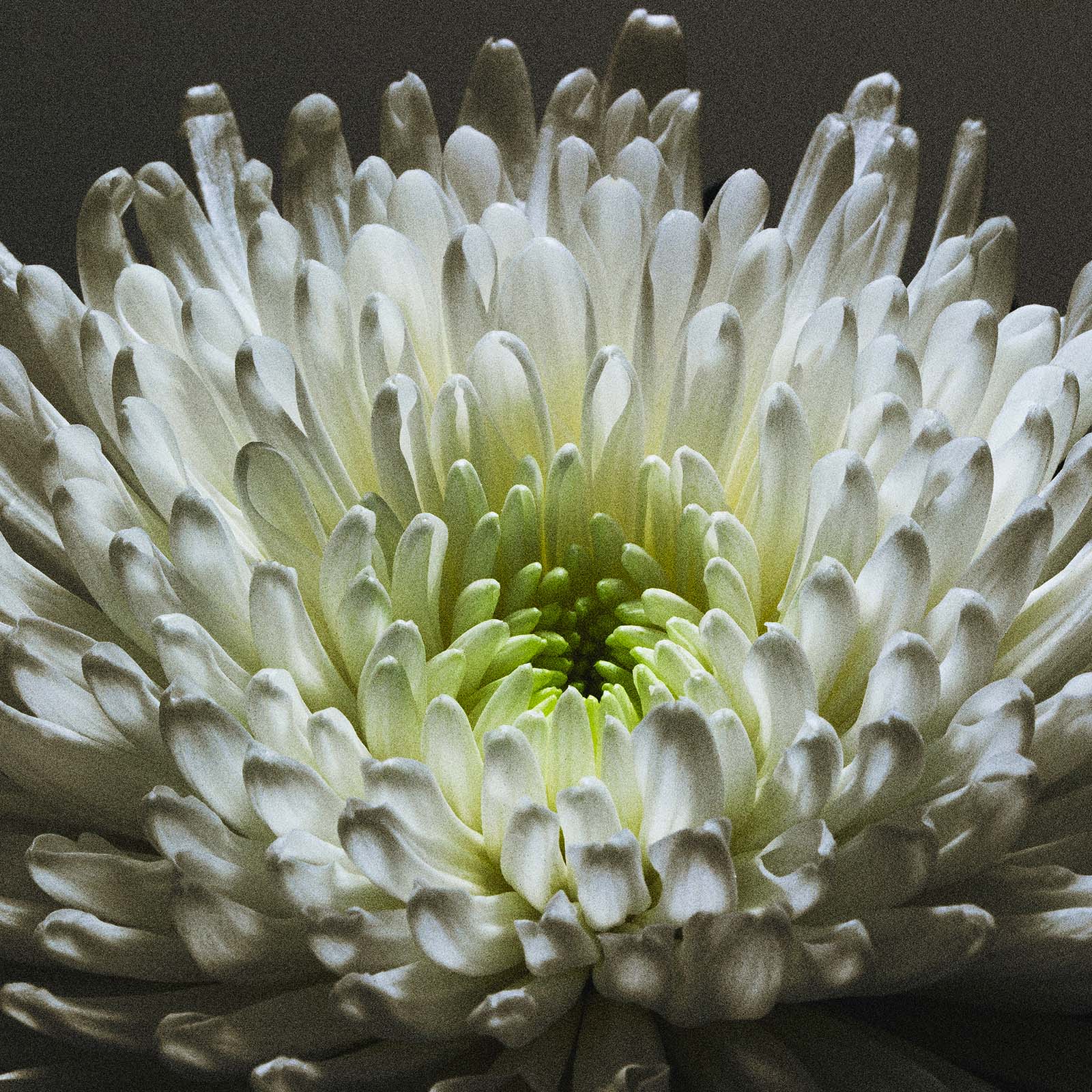
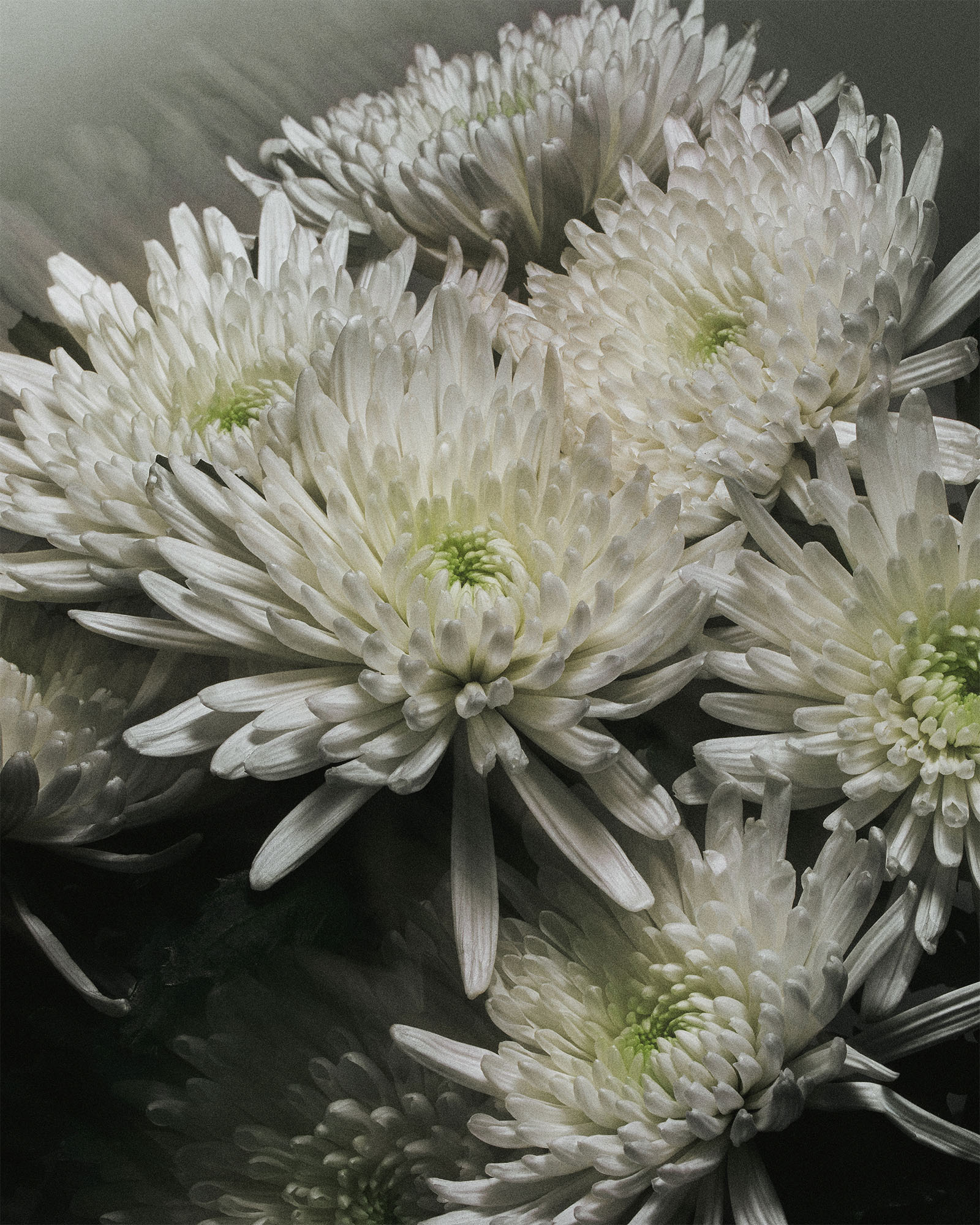
The chrysanthemum (from the ancient Greek: golden flower) has more than 200 different species, ranging from daisy-like forms to pompon and spider varieties. And just as its forms are multiple, so too are the meanings that have been attributed to it over time. In China, it symbolizes strength and resilience, in Japan, it is the emblem of the Imperial family, while in Europe it has come to represent mourning. This meaning stems from its autumn blooming period, which coincides with the commemoration of the dead, and has been gradually consolidated into an implicit cultural bias. From this idea, Talea was born.

Processing methods and olfactory yield of the raw material
Hangzhou white chrysanthemum is cultivated from March to November and requires constant care, from propagation and pruning to harvesting. Once collected, the flowers are dried through a microwave-assisted airflow process meant to preserve their delicate aromatic profile and floral character. The material is then extracted using supercritical CO₂, a solvent-free method that retains the plant’s full olfactory complexity, resulting in a pure and faithful white chrysanthemum absolute. The white chrysanthemum absolute appears as a dense liquid with a distinctive dark green color.

Overcoming prejudice: a contemporary interpretation of the chrysanthemum
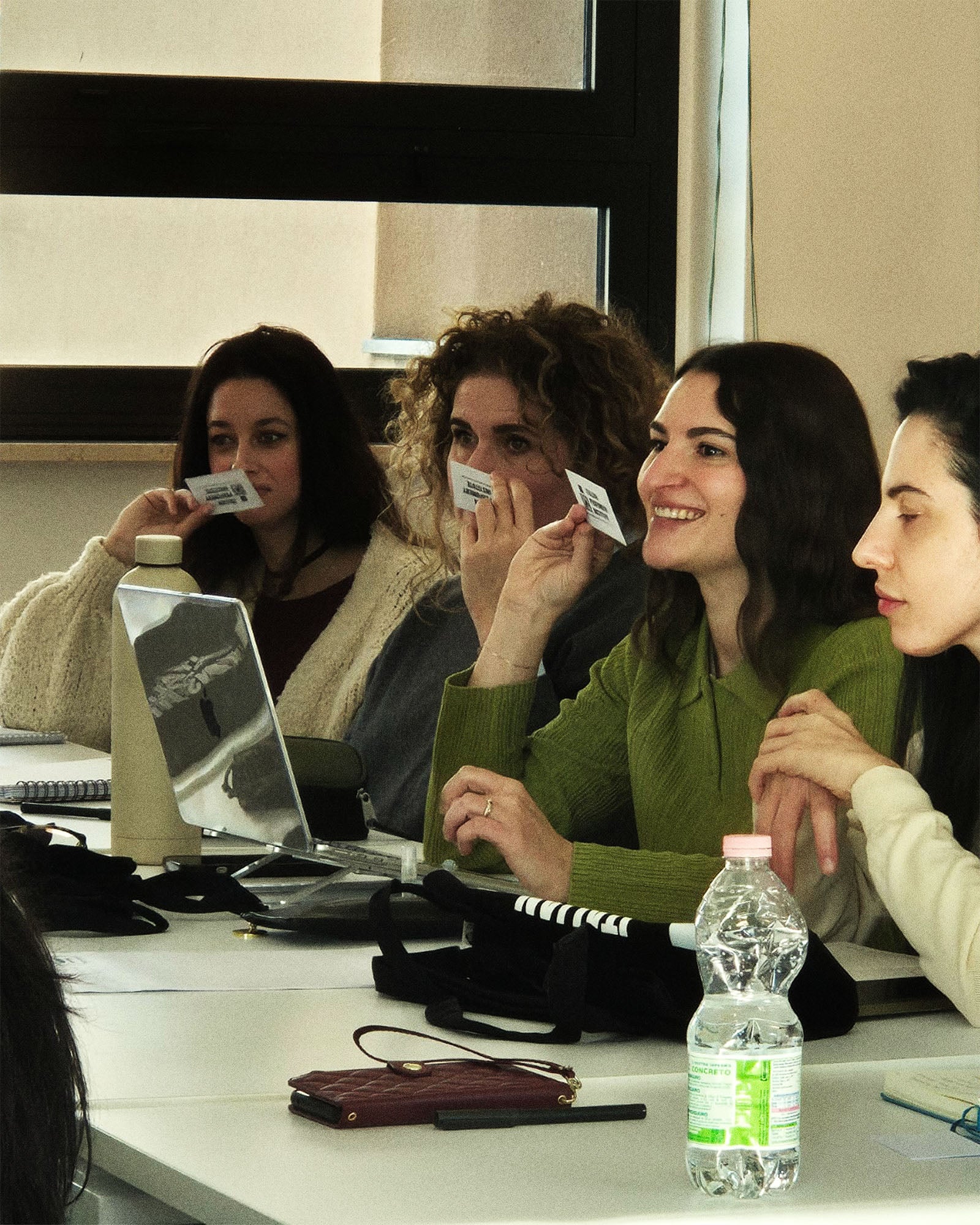
Students at the Italian Perfumery Institute, starting from the European perception of chrysanthemum as a flower marked by prejudice and associated with mourning, reflect on social expectations and the desire to define oneself beyond external impositions. From this emerges the idea of a rebirth beyond the golden cage of convention, the possibility of moving through judgment and allowing a more free, genuine, sensitive and authentic version of the self to come forward. From this notion of rebirth, Jijide chooses the name Talea: a fragment capable of generating something new. A cutting taken from a plant that, once placed in new soil or water, is able to root and give rise to a new life.
Olfactory education and identity exploration
The Italian Perfumery Institute is one of the most relevant training institutions in the Italian perfumery landscape. For the Conversations collection, it was chosen for its contemporary approach and its young Western perspective, in conversation with a perfumer working from an Eastern point of view. Starting from the chrysanthemum and the theme of prejudice, the students developed a personal interpretation, expanding the initial concept into a broader reflection on social pressures and the search for an authentic identity.
The students: Emanuela Artuso, Giulia Boccadamo, Lorenzo Broz, Anna Calderari, Marzia Caleca, Nicola Cinotti, Andrea Clerici, Vitalija Culkova, Cora Fontana, Fatima Haida, Azat Sonia Halal, Luigi La Gioia, Marianna Lanari, Carlo Filippo Livi, Carlotta Lupi, Vivian Marcora, Stefania Marino, Veronica Massimino, Monica Milani, Chiara Negro, Alex Parrella, Muriel Raimondi, Beatrice Sammartin, Andrea Varraud

Tianle Feng
Born into a perfumers’ family in China, Tianle Feng grew up in his father’s fragrance laboratory, developing an early and intimate relationship with scent. A graduate of ISIPCA in France, he returned to China to lead his family’s fragrance house while founding his own brand. For him, perfumery is a way to capture moments of life, transforming memories and emotions into sensory experiences that seek to offer quiet comfort.